 IT
IT
 EN
EN

Heavy & Light Carpentry
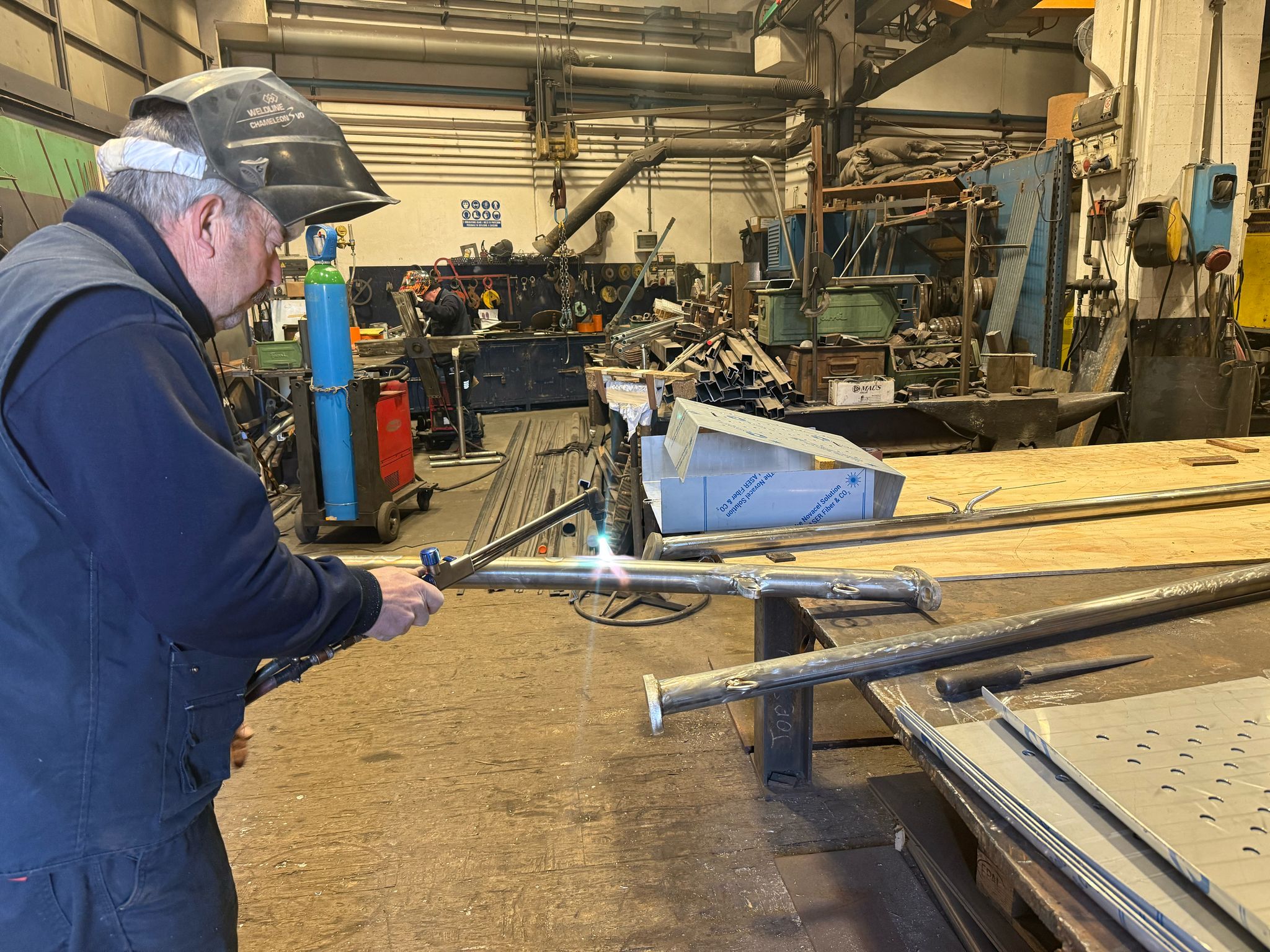
Carpentry is a fundamental sector in Italian industry, especially in areas such as shipbuilding, construction, and infrastructure. There are two main types:
- Heavy Carpentry: large structures in steel or iron (bridges, ships, industrial buildings) requiring advanced cutting and welding skills.
- Light Carpentry: smaller, artisanal structures (metal furnishings, railings, staircases) that demand custom precision.
In our courses, you will learn to read and interpret technical drawings, work with metal using both manual tools and specialized machinery, and perform assemblies and welds according to industry standards.
Pipe Fitters
A pipe fitter is a key professional in industries (naval, petrochemical, construction) responsible for fabricating and installing piping systems for fluids and gases.
- Reading piping diagrams and project plans
- Cutting, bending, and assembling pipes
- Welding and joining pipe sections
- Installing and maintaining piping systems
This highly specialized profession offers opportunities in shipyards, industrial plants, and energy sectors.
Plumbers
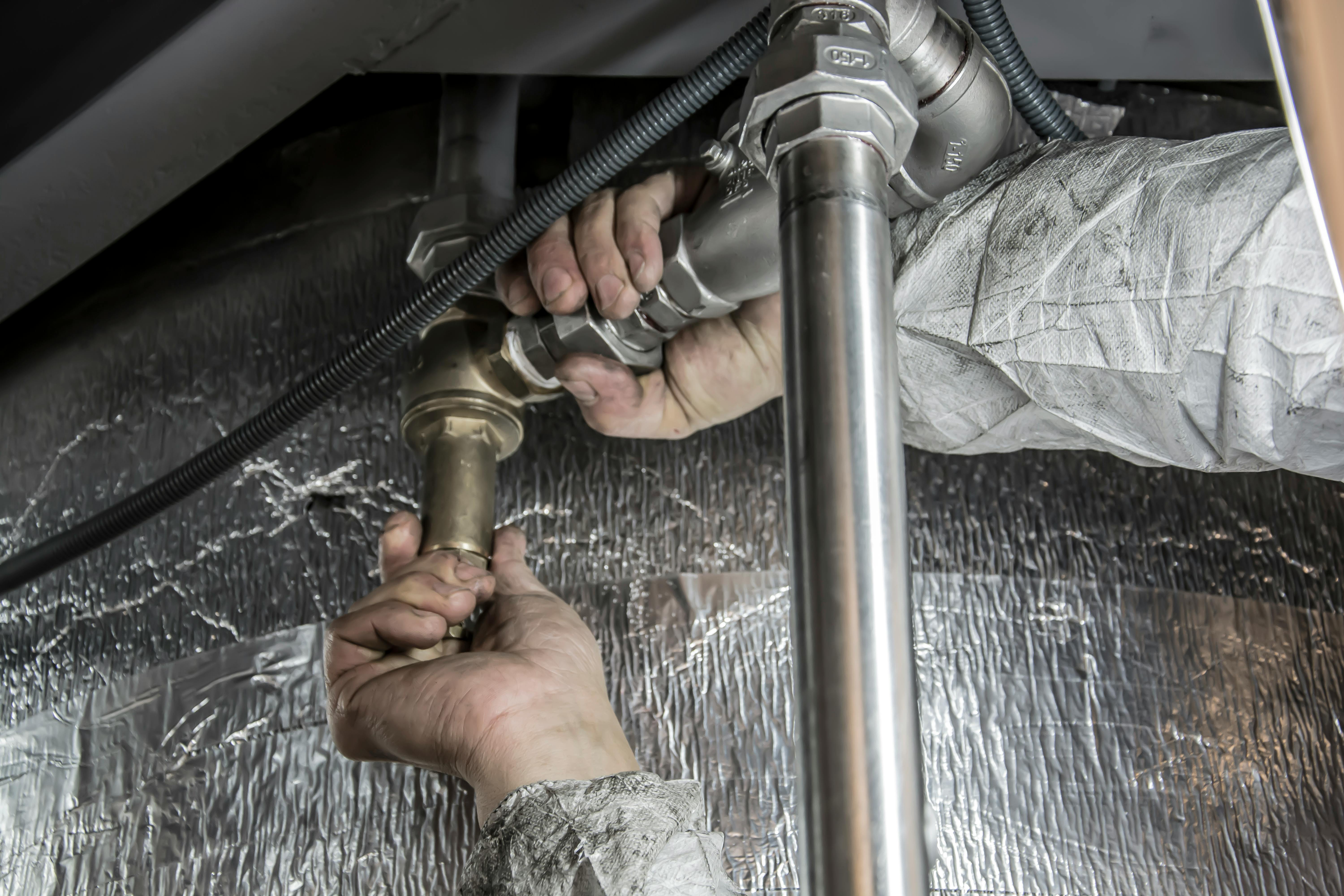
Plumbers are indispensable in both civil and industrial construction, handling the installation, repair, and maintenance of plumbing, heating, and cooling systems.
- Reading and interpreting plumbing designs
- Installing water distribution systems
- Maintaining existing systems
- Using measuring tools and plumbing equipment
- Resolving leaks, clogs, and failures
Electricians
Electricians are among the most sought-after professionals for both residential and industrial installations. They design, install, and maintain electrical systems.
- Reading and understanding electrical schematics
- Installing and wiring systems in homes and facilities
- Diagnosing and resolving electrical issues
- Working with automation and home automation systems
- Adhering to safety standards for electrical installations
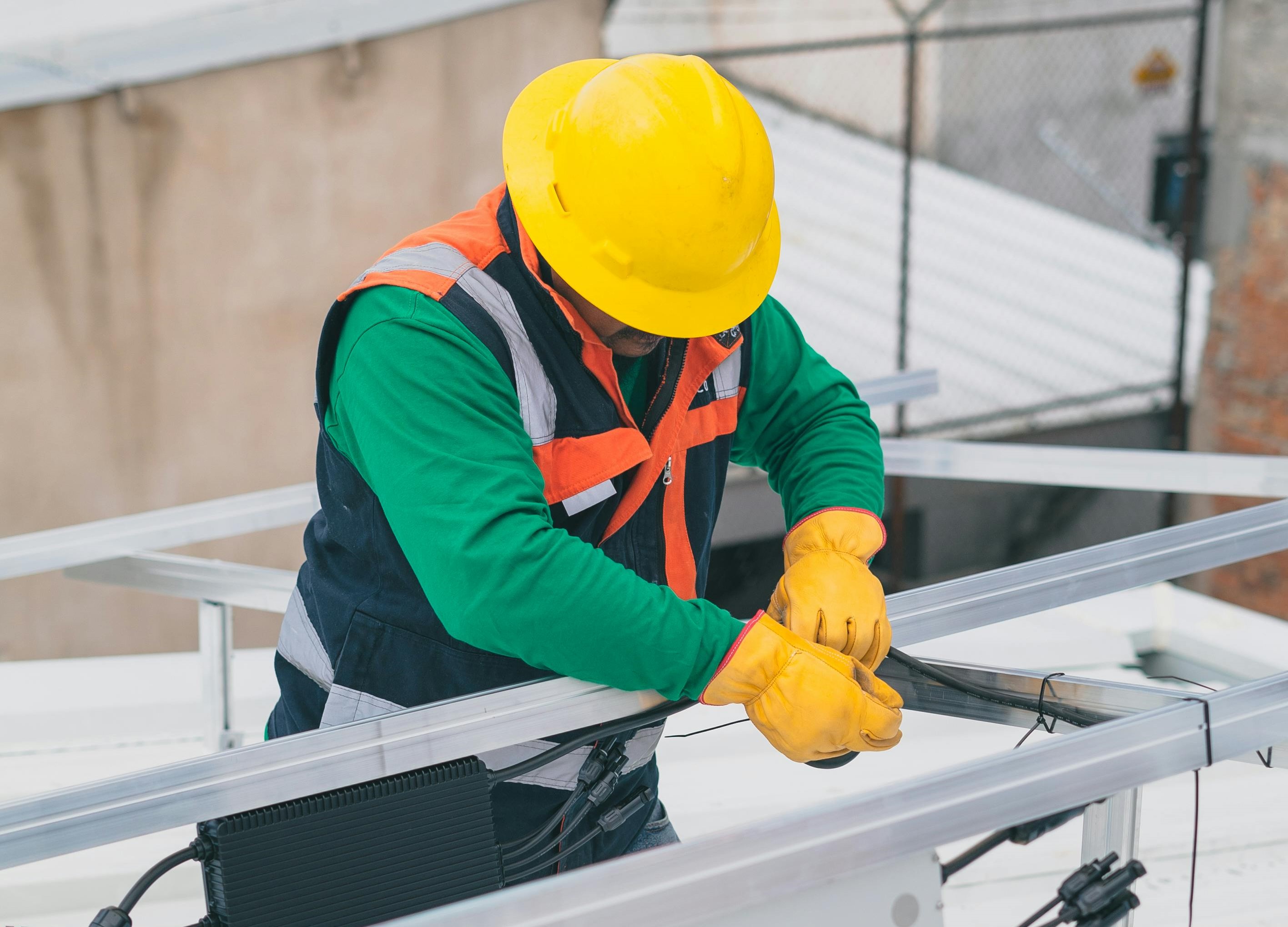
Assemblers
Assemblers specialize in the assembly and installation of metal structures, industrial plants, and machinery – a critical role in mechanical engineering, shipbuilding, and manufacturing.
- Assembly and mounting of metal structures
- Using equipment such as torque wrenches, welders, and measuring tools
- Interpreting assembly diagrams and technical drawings
- Collaborating with other technical professionals
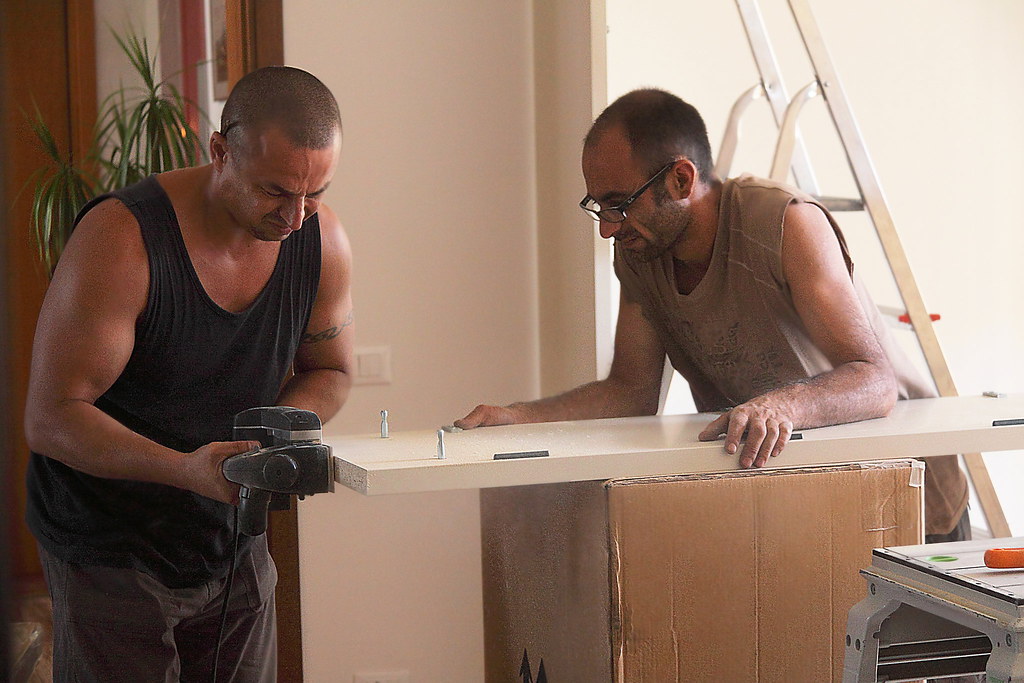
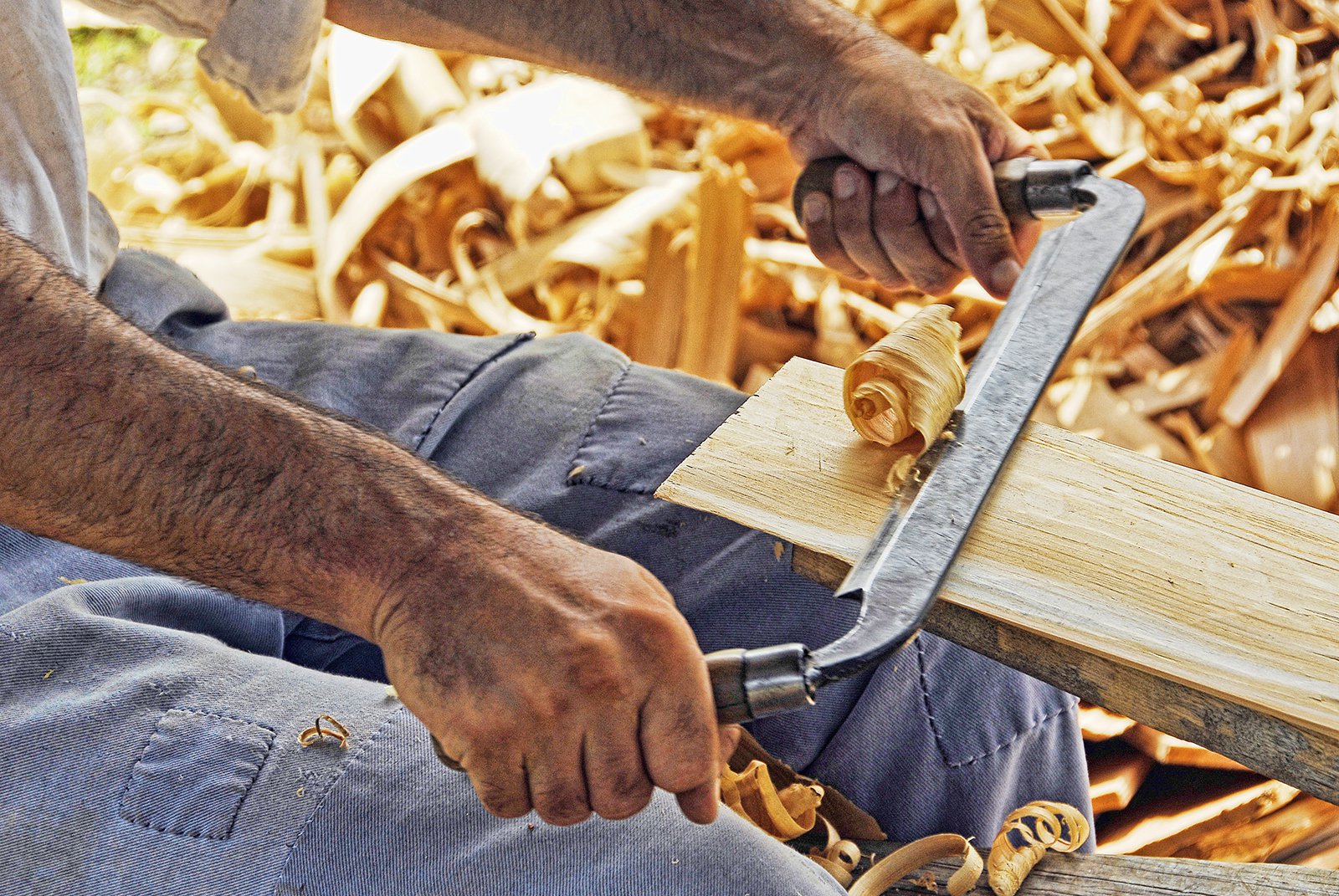
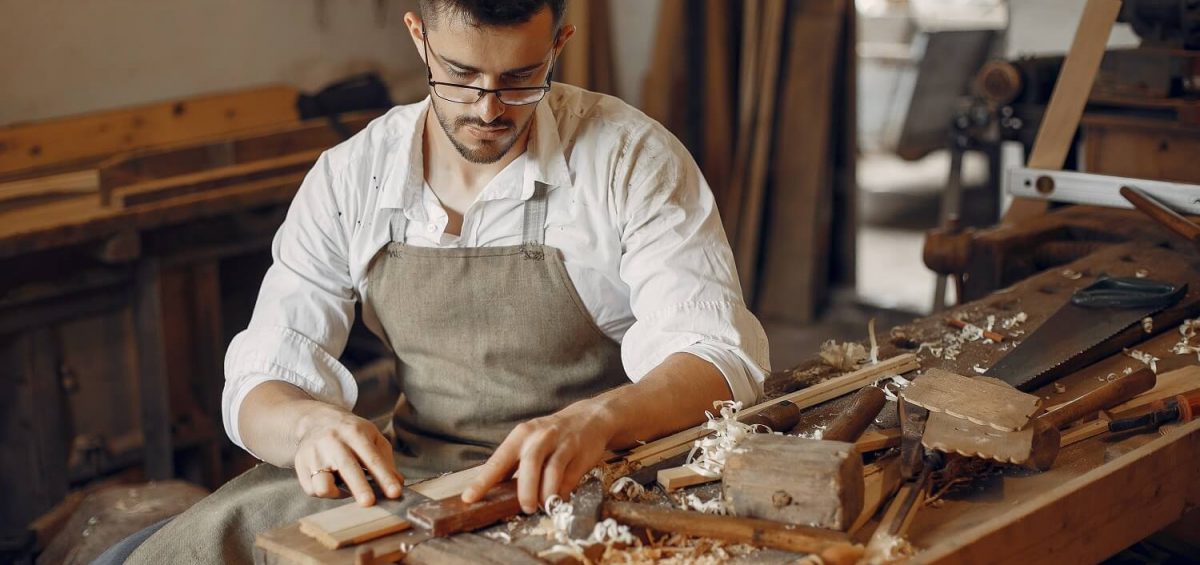
Woodworking
Woodworking combines traditional wood craftsmanship with advanced technologies (CNC machines, design software) to create furniture, fixtures, and installations.
- Selecting and working with various types of wood
- Operating cutting machines and precision tools
- Assembling furniture using traditional and modern techniques
- Finishing and treating wood for durability and strength
- Designing custom woodwork